Our toolbox of solutions

Leverage our growing library of world-leading practices to accelerate local progress and help drive global impact.
Browse our Centre's solutions and other resources from stakeholders

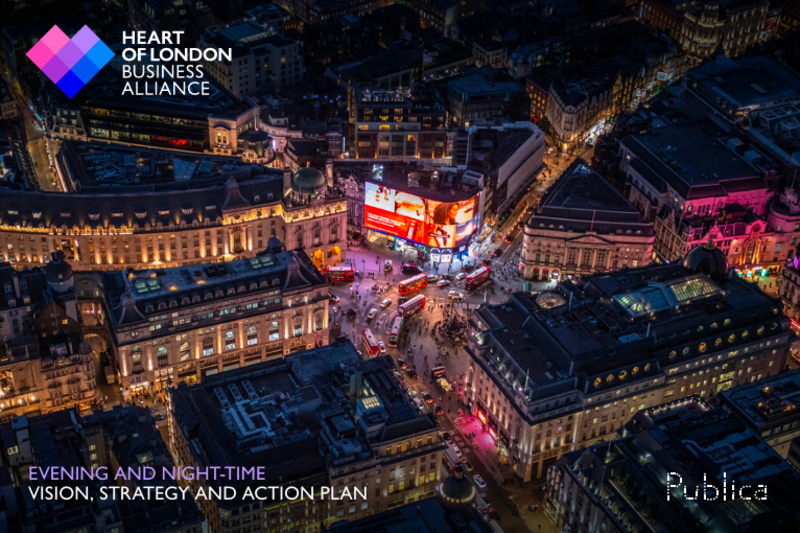
The Evening and Night-time Economy Strategy, Vision and Action Plan has been produced by Heart of London Business Alliance, in collaboration with leading urban design practice Publica.A first of its kind for the West End, the strategy provides an ambitious, integrated, and deliverable plan for this iconic part of the West End between the hours of 6pm and 6am. It sets out how the area can meet its full potential and become more inclusive, safe, accessible, attractive, and dynamic for those who work, visit, live, invest and run businesses here.The Heart of London area covers 39 hectares, just 6% of the wider West End footprint, and yet it delivers 7% of its evening and night-time GVA. It is worth £4.9 billion to the UK economy, of which 20% comes from the evening and night-time economy, and 50% of that is driven by the cultural sector.Accompanying the strategy is an economic analysis of the evening and night-time economy (ENTE) conducted by Arup. It shows that this economy is underperforming and struggling to recover from the pandemic. Growth line trends dictate that it should be worth £15.5 billion, instead of the current £14 billion. Without intervention, this gap will only widen.This strategy looks beyond the obvious, beyond a single industry or sector and beyond the day-to-day challenges of a city after dark. Instead, it elevates the conversation to look at the potential value of the evening and night-time economy to London’s West End.
United Kingdom
HOLBA Evening and Night-time Economy (ENTE) Strategy, Vision and Action Plan
This guide is informed by the feedback of thousands of night workers and hundreds of company leaders, plus their engagement with everyone from sleep scientists to rota experts, HR visionaries to researchers – it shines a light on the specific considerations and practical steps that employers should take. They explore current requirements on employers and insight into the experience of people working at night, and then share practical tips and case studies across rota design, work environment, health and wellbeing, nutrition and leadership. 
United Kingdom
Bright Nights: Supporting healthy, engaged and productive night workers
“Neighborhoods for All – a Global Peer Learning on Safer Cities” is a voluntary collaboration between UN-Habitat, United Cities and Local Governments (UCLG), Habitat Norway, and VibeLab, aimed at promoting city-planning practices that enable the development of accessible and vibrant local communities in urban areas across the world. In the second half of 2023, these four partner organisations jointly organised what led to the series of five peer learning webinars.In the following sections, readers of this report will be introduced to the Safer Cities initiative’s background, read overviews of the webinars, and learn about the promising city practices presented. Based on the inputs from the cities and organisations, the final section is dedicated to a set of key lessons that can serve as starting points for cities to approach enhancing urban safety and well-being aspects in local communities and neighbourhoods.
South Africa, Gambia, Egypt, Colombia, United Kingdom, Kenya, Canada, Peru, Sweden
Neighborhoods for All: Peer to Peer Learning on Safer Cities 2023-2024
UN habitat, World Organization of United Cities and Local Government (UCLG), VibeLab
"Night workers are the backbone of the UK’s 24/7 economy – but they’re often exhausted, under-supported and left out of the conversation. Our new employer guide, Bright Nights, is here to help change that. Combining science, new research, frontline feedback and employer insight, our new publication is packed with information about the effects of shift work, and inspiration and practical guidance for employers to better support healthy, engaged and productive night workers."
United Kingdom
Bright Nights: Employer Guide for Thriving Night Workers

"Throughout its long history, nightlife has been central to New York City’s identity. The “city that never sleeps” is a destination for dreamers and doers and an epicenter of creativity. It boasts something for everyone once the sun sets, including opportunities for dining, dancing, performing, socializing, or building a career. Over many decades, New York nightlife has launched cultural and social movements that resonated far beyond the city’s shores: from the social consciousness of beat poetry, folk music, and hip-hop, to the rhythms of jazz, salsa, disco, punk rock, and many more. New York nightlife has inspired artists and entertainers to push boundaries, and provided places for people to come together to f ind community, all of which contributes to the city’s distinctive energy."
USA
NYC Nightlife Economic Impact Report

"This report offers an overview of the inner workings of the nightclub industry. These insights stem from twenty years of dedicated advocacy and campaigning for Ireland’s nightlife, using learnings from research conducted in 2024, as well as recent domestic and international data. Together, these elements demonstrate the challenges and opportunities faced by the sector, while offering a roadmap for its future."
Ireland
The Rhythm of the Night: A Report on Ireland's Nightclub history and night culture

As urban populations surge towards 70% of humanity by 2050, innovation districts have emerged as critical catalysts for reimagining how cities generate prosperity, foster collaboration and create opportunity. Yet how do we ensure these districts deliver not just economic returns, but meaningful benefits for the communities they serve?This paper presents a toolkit that distils best practice and tangible lessons from 10 inspiring innovation districts drawn from every continent. The toolkit is organized around three components – collaborative governance, human-centric placemaking and efficient digital infrastructure – which embody the World Economic Forum’s eight guiding principles for responsible innovation and translate them into practical steps.
Government, Engineering & Construction, Technology
Innovation Ecosystems: A Toolkit of Principles and Best Practice

The Greater London Authority (GLA) commissioned Publica to create the most ambitious night time guidance produced by any city in the world. It sets out the many benefits for councils, communities and businesses, of creating diverse and inclusive night time plans together, with step-by-step guides and case studies from across the globe on how this can be achieved.The guidance falls into two parts:Part One: Guidance on ProcessPart Two: Guidance, precedents and case studies
United Kingdom
London: Night-Time Strategy Guidance
Greater London Authority City to Sea
The refreshed strategy builds on the work done by the Office of the 24-Hour Economy Commissioner over the last few years and sets out a new vision for the state’s vibrant nocturnal landscape – one that focuses on improving amenities for night-time workers, champions First Nations storytelling and puts an emphasis on data and measurement.
Australia
NSW 24-Hour Economy Strategy: A new state of night

NSW Office of the 24-Hour Commissioner
The Night-Time Economy Strategy Template is designed to support council officers in New South Wales (Australia) in developing or refreshing local night-time economy or 24-hour economy strategies. 
Australia
Night-Time Economy Strategy Template
NSW Office of the 24-Hour Commissioner
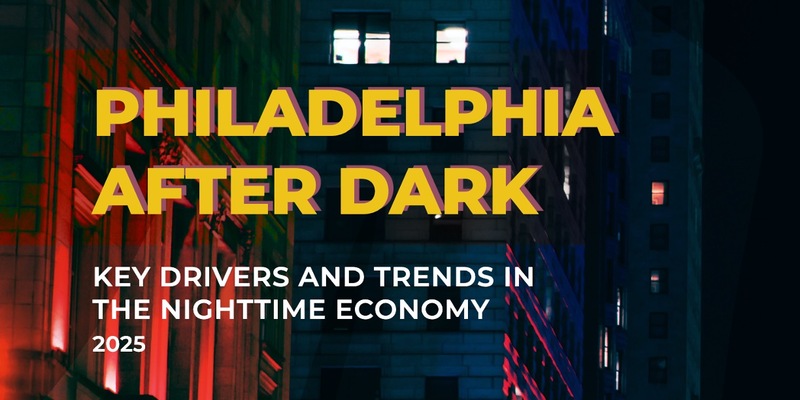
This Philadelphia Nighttime Economy Impact Study marks the first comprehensive evaluation of Philadelphia’s nighttime economy, examining a broad range of sectors including hospitality, arts, culture, sports, manufacturing and essential services. Key findings include:Economic Output: An estimated $26.1 billion in total annual economic output in Philadelphia.Local Job: Approximately 132,000 jobs supported, generating $9 billion in wages for local workers.Tax Revenue: $358.8 million in annual tax revenue for the City of Philadelphia and $570.2 million for the Commonwealth of Pennsylvania.
USA
Philadelphia After Dark: Key Drivers and Trends in the Night-Time Economy
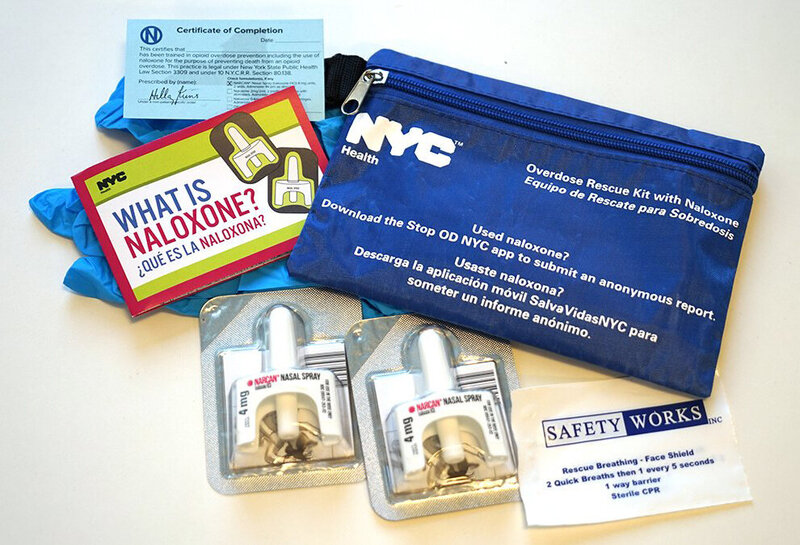
In 2020, 1,580 New Yorkers died from a fentanyl-involved overdose. The presence of fentanyl in the NYC drug supply has dramatically increased and is now the most common drug involved in accidental overdose deaths. Anyone who uses drugs that contain fentanyl, even occasionally, may be at risk of overdose. It has been found in different drugs like heroin, cocaine, crack, methamphetamine, ketamine, and pills.The Narcan® Behind Every Bar campaign helps bring life-saving opioid overdose prevention training, tools and resources to the nightlife and hospitality community as part of NYC’s harm reduction approach to substance use. This initiative is managed by the NYC Office of Nightlife (ONL) at the NYC Department of Small Business Services (SBS) in partnership with the NYC Department of Health & Mental Hygiene (DOHMH).
USA
Narcan behind every bar
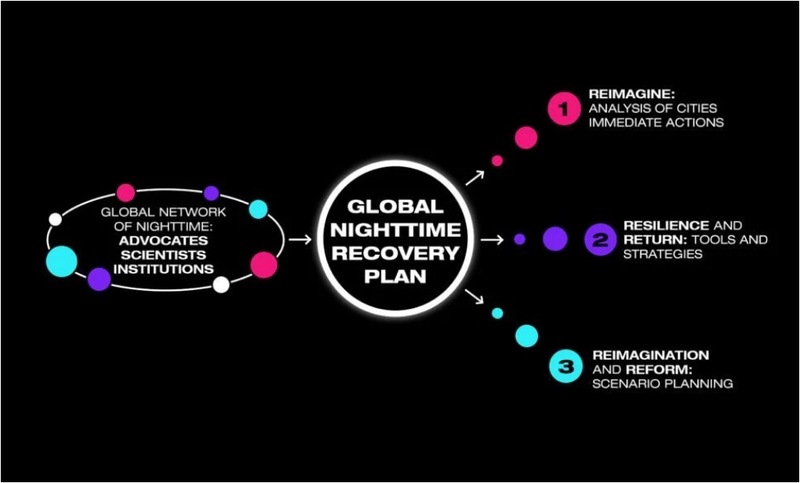
The Global Nighttime Recovery Plan (GNRP) is a collaborative guide that empowers cities to design and implement safe strategies for reopening their creative and night-time economies. With the input of over 130 experts from 70 cities worldwide, the interactive platform shares frameworks, tools, and practices.
Global Nighttime Recovery Plan
VibeLab
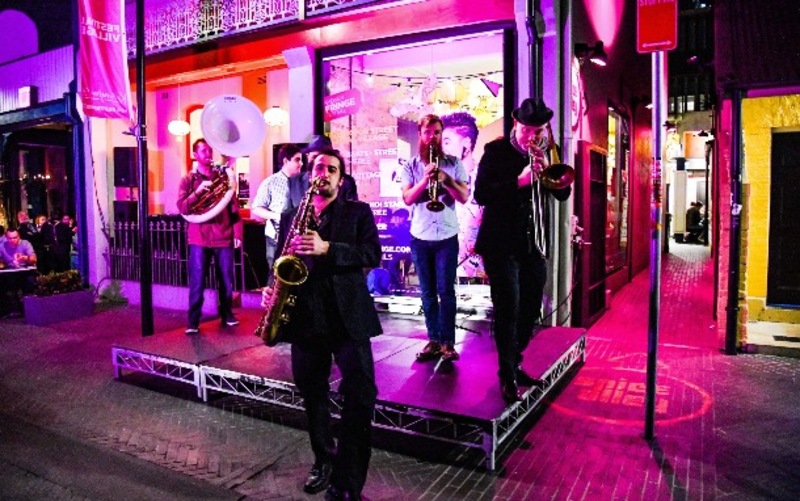
The regulation of Special Entertainment Precincts (SEPs) in New South Wales aims to formalise and manage late‑night precincts through council-led precinct plans. Under the Local Government Act 1993 and recent 24-Hour Economy reforms (2023–2024), councils can designate areas (streetscapes or single venues) where sound levels and trading hours are explicitly managed. SEPs are intended to encourage live performance, nightlife and tourism while offering residents clarity on expected noise and traders benefits such as extended hours and reduced licence fees. The framework is backed by mandatory guidelines, acoustic toolkits, grant support, and structured governance—all intended to balance vibrancy and amenity.
Australia
Special Entertainment Precinct Regulation
NSW Office of the 24-Hour Commissioner
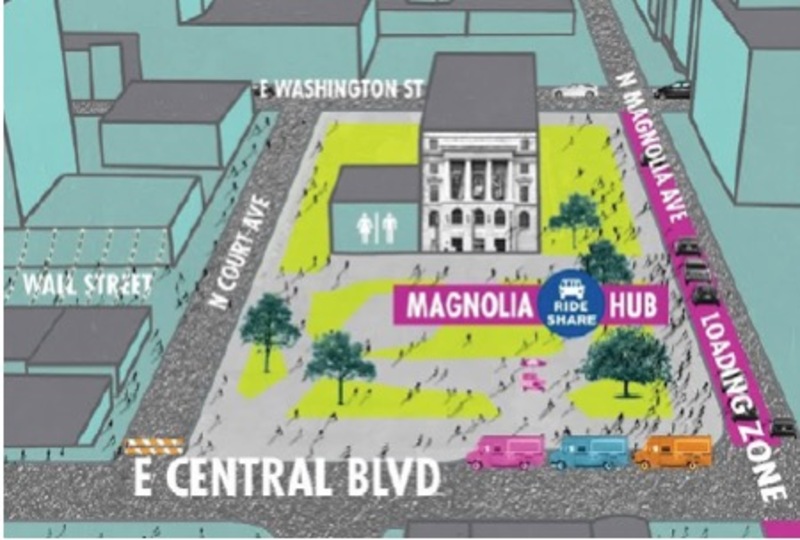
Downtown Orlando launched a Rideshare Hub Pilot program to coordinate safe rides home at closing time. Prior to the pilot, people wandered at closing time, unaware of where to best grab a late-night bite, where they could use the restroom and where the best place was to pick-up their rideshare. Two rideshare hubs are now in operation on Fridays and Saturdays from midnight to 3:00 a.m. The six-month pilot program received a six-month extension, resulting in operation between May 2019 - May 2020.The hubs are strategically located and designed for easy ingress and egress of vehicles as well as walkable from anywhere downtown. The hubs not only centralize where nightlife patrons pick up their Lyft or Uber ride, but also include food trucks, public restrooms and dedicated security. The creation of the hubs have addressed closing time issues like crowd surge, disorganization of various modes of transport and pedestrian safety. 
USA
Orlando’s Rideshare Hubs : Efficient Egress at Closing Time in Downtown Orlando
Responsible Hospitality Institute
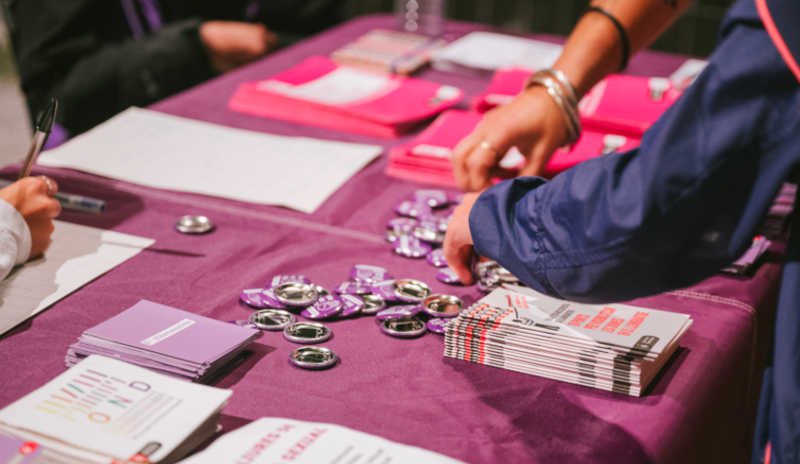
Puntos Lila are gender-based violence prevention spaces deployed at festivals, nightlife and public events in Barcelona. Initiated in 2017 and formalised by the City Council, these mobile and fixed stands offer support to victims of sexist or LGBTI-phobic aggression. Staffed by trained professionals, they provide visible, safe points for guidance, care and referral. Operating mainly during high-attendance nightlife and leisure events, they form part of the city's broader strategy for a feminist, community-based approach to public safety.
Spain
Puntos Lila (Purple Points)
Ayuntamiento de Barcelona
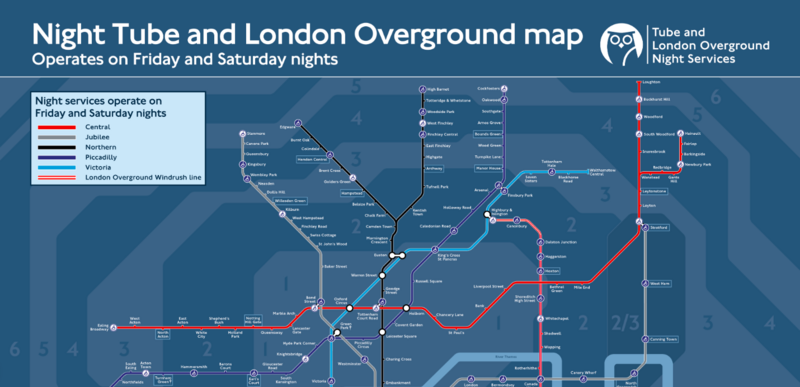
The Night Tube service represents London’s first full overnight metro on Fridays and Saturdays. Launched in August 2016 on the Central and Victoria lines, it was later extended to Jubilee, Northern and Piccadilly lines. Operating from around midnight to 5:30 a.m., it offers consistent 10–20 minute frequencies. Managed by Transport for London (TfL), the Night Tube enables regular fare use, maintains staffed stations, and ensures safety with added British Transport Police presence. The service integrates with 24-hour bus routes, forming a backbone of the city’s night-time mobility infrastructure. It aims to support shift workers, enhance access to culture and entertainment, and strengthen London’s 24-hour economy.
United Kingdom | Transportation
London Night Tube launch
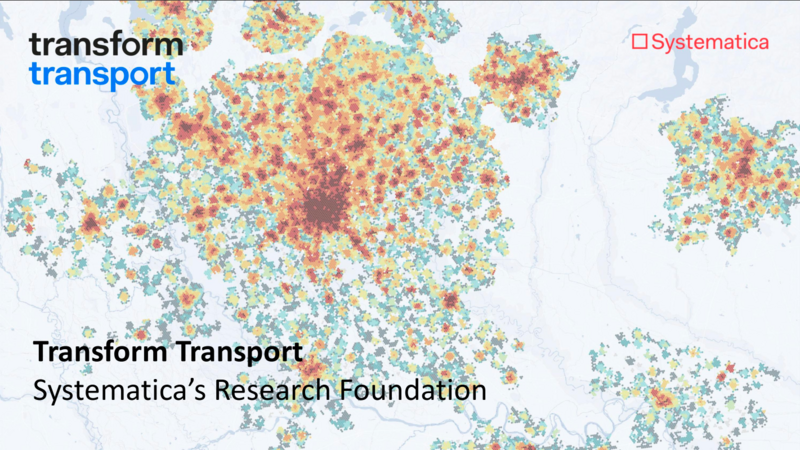
This case study investigates Milan’s 24-hour accessibility using a time-variant adaptation of the 15-Minute City framework. The objective was to evaluate walkability across different times of day, focusing on the needs of nighttime communities, including shift workers and other non-traditional urban users. Leveraging GIS tools, Google Places API data, and a customised version of Transform Transport’s 15-Minute City Score Toolkit, the research analyzed over 46,000 Points of Interest (POIs) and mapped service availability across a hexagonal grid of Milan. Results revealed stark contrasts in accessibility between day and night, with nighttime service availability often falling below 20% of midday levels, especially in peripheral areas. The study highlights the spatial and temporal inequalities in urban access and proposes the integration of temporal data into urban planning practices.
Into the Night: Exploring the 24-hour Rhythms of the 15-Minute City

The Night‑Time Data Observatory (NTDO) is a central repository created by the Greater London Authority (GLA) to support data-driven policy and strategy for London’s night-time economy and urban life at night. Launched in 2021 under the Night Time Strategy guidance, the Observatory collates over 30 datasets across four themes:VibrancyVitalitySafety LivabilityDrawing on sources such as transport usage, crime, high street footfall, workforce demographics, and public perception surveys. It serves as a real-time decision-making tool for boroughs and stakeholders, enabling evidence-based planning of nighttime strategies and community interventions. The NTDO is an ongoing initiative, with updates—including a new evidence base released in December 2023—helping to monitor trends, inform policy adjustments, and benchmark impact over time. The Observatory positions London at the forefront of urban night-time governance and comprehen
United Kingdom
London Night‑Time Data Observatory
Greater London Authority City to Sea
Since 2001, the phenomenon of nighttime commissions or individual leaders, often known as “night mayors” or “night czars,” has been gaining momentum across the globe. With more than 80 cities embracing this approach, the diverse nature of these roles reflects each city’s unique characteristics and needs.The Nighttime Advocacy Map aims to document and showcase the remarkable contributions of nighttime commissions and leaders worldwide. It provides a valuable resource for cities, policymakers, and urban enthusiasts to understand nighttime governance’s various models, strategies, and successes.
Nighttime Advocacy Map: Mapping Night Mayors, Offices and Commissions Worldwide
VibeLab

Access our benchmarking tools

Have a solution you would like for us to feature?

Email us with information about your suggested solution.